


What would you say was the relationship between Granada and the rest of Manchester? I think in terms of Greater Manchester, I think it was pretty well-respected as a company, you know, flying the flag for the north west in all its ways. The dilemma that Granada faced was with Liverpool – it was second…
Read More
Steve Leahy on the importance of entertainment
Do you think that entertainment was given enough respect in Granada? No, but I don’t mind that, because that made you fight your corner more. We were the grotty dustbin in the corner that somebody had to do. I don’t think anyone in drama or World In Action or whatever was ever proud of entertainment…
Read More
David Liddiment talks about ‘Stars in Their Eyes’
Stars in Their Eyes, am I right, it was Granada’s first big entertainment hit for a while at that time? Yes. But it wasn’t a home-grown show. No, it was a Dutch show, it was a Dutch format – in fact it was Steve Leahy who, you know, was a genius in spotting these formats…
Read More
Michael Ryan’s opinion of Granada’s political stance
People have said to me that Granada was unashamedly left-wing. Yes, I think that’s true. I wouldn’t say left-wing, I would say anti-establishment. I can think of some individuals who were Conservatives actually. But the broad picture was what you might call the Labour Party consensus of the seventies. I think, in all, honest people…
Read More
Brian Trueman biography
Brian Trueman joined Granada Television in 1957 from the acting profession. He initially became a newsreader and then a presenter. During the 1960s and 1970s he was one of the best known faces of local programming, working on just about every Granada local programme from news to politics. During that time he recalls working with…
Read More
Barry Bowmer remembers working with Tony Wilson
I did lots of documentaries, not complete ones but ones to go into other shows etc. Having said that one of them was So it Goes with Tony Wilson, which was a music programme in the Seventies, Eighties was it. And did Tony get involved? Yeah. Oh yeah, once we’d got, again that was a…
Read More
A donkey, Derek Hatton and Custer’s Last Stand!
Several things happened which would never have happened at the TV centre in Quay Street in Manchester. One I remember was when Shorty (Mike Short, GTV Producer) brought a flock of sheep (or a number of sheep) in. I can’t remember the nature of the story he was running but it caused no end of…
Read More
Joan Riley biography
Joan Riley joined Granada Television in 1960 as part-time copy typist working on the local evening news programme. She was the first person in the UK to hear of President Kennedy’s assassination when she picked up a call from the Press Association. After working in local programmes she joined the Promotions Department and then went…
Read More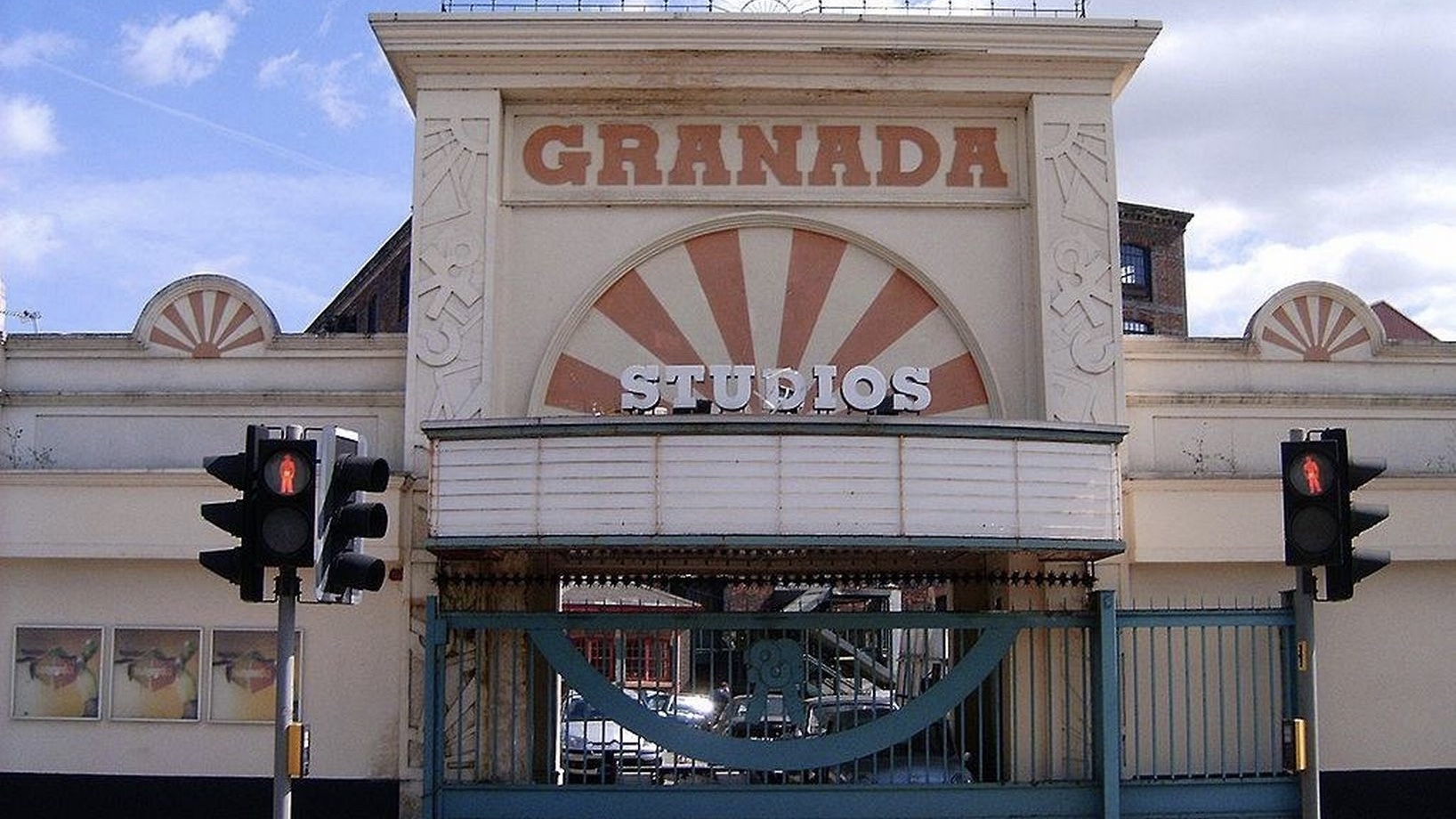
Jon Woods discusses Granada’s concept of Studio Tours
I remember the old caption From the North on the captions, and that was very much Plowright’s mantra. And the Studio Tour is evidence of how Granada saw its place in the region. I think the Studio Tours was an idea that came out of a will to advertise itself and to let people have…
Read More
David Liddiment’s thoughts on World in Action
Let me talk about World in Action. Because others have said that you didn’t like World in Action. I loved World in Action. ….. This was when you were head of… controller of programmes? At ITV or Granada? At Granada. Well, don’t forget, this was a muddy time, Charles Allen had come in from group,…
Read More
Michael Ryan on what Granada was like to work for and the support he had
Did you feel it was a special company to work for? Yes. What made it exceptional was that the people at the top cared about television. They weren’t necessarily always right but they were always up for an argument. I’m thinking particularly of Forman and Plowright. They liked an argument. You could go from an…
Read More
Barry Bowmer’s impressions on Granada as a company
So when did you finish at Granada? 1991. When they were cutting back and a good few others had finished when they were 48 and times were changing there and it wasn’t a good feeling, you know, as people were leaving. I mean we’d had the best times in London, at Golden Square, at Chelsea…
Read More
David Highet remembers Mike Short’s innovative programme ‘Under Fives’ – and the challenges it presented!
Mike Short had an idea, which became the bane of my life and I think it was to do with under-11s football. Granada was to sponsor this and I was to be the Administrator of it. Why on earth I agreed I have no idea! Anyway this went ahead and was, it turned out, a…
Read More
Jon Woods’s thoughts on the ethos of Granada
I think a lot of the ethos of the company, Made in the North, was down to the Bernstein family. It was a Bernstein company. I think Sidney obviously had a great insight into the media, and the newly developing television media, he had a great insight. He had cinemas, and saw a great opportunity,…
Read More
Jon Woods’s impressions of Granada as a company
I’d always thought that I would become a cameraman. When I was a youngster, so before I was a teenager, sort of eight, nine, 10, black and white television was just turning into colour television. I had seen a lot of images on television of cameramen working and thought, “That sounds like a great job,…
Read More
Jon Woods on the changes made by Charles Allen and Gerry Robinson
And you say everything changed after Compass. I think in the end, they’d probably had enough and they realised things were changing, that the monopoly – which it was – was going to go. The good times had gone. They were on the cusp. They hadn’t completely gone, but fiscal control was going to be…
Read More
Steve Leahy reflects on the strengths of Granada
Looking back on your Granada years, what are the strengths and weaknesses of Granada as a company? I can’t think of weaknesses. I thought it was cocky and it did the hell what it wanted and it fought the network on everything, but they meant it, and they were great. Certainly working for Granada I…
Read More
Steve Leahy recalls the great individuals at Granada
Looking back at the time you were at Granada, which individuals would you single out at as having impressed you or having been great role models for people working there? Well, I think leadership from (David) Plowright, and Mike Scott was very good to me. Very good to me. I remember several times I went…
Read More
David Liddiment’s impressions of Steve Morrison
Steve is a force of nature. He’s indefatigable; he’s not easily deflected from a course of action. All these are strengths. Granada needed – people forget this – Granada was a great company, but there was an element of atrophy creeping into the place. And that’s not a criticism of the people involved, it was…
Read More
Michael Ryan on Denis Forman, David Plowright and the Granada management structure
I think the important thing at Granada for me personally coming out of the BBC was the unbelievable short chain of command: the editor, Plowright, Forman, and that’s it. Things weren’t allowed to drift. Also when it’s as simple as that it’s not a constant clash of egos because when you get eight or ten…
Read More
David Boulton on how he was first employed by Granada as a Press Officer
I was working for Tribune and running a campaign for Nuclear Disarmaments Paper, Sanity, and I started writing a series of articles on Conscientious Objectors in the First World War – this was at the time of the fiftieth anniversary of the beginning of the war – and the articles were picked up by the…
Read More
David Highet on how Granada’s coverage of the Toxteth riots was never screened
Several things happened around that story. One was that because we were a studio set-up, we had no cameras to take out so a news team was sent from Manchester for the riots but John Toker and Mike Short went out into the streets with the crew and they were short-crewed but it was what…
Read More
Roland Coburn describes how he started work at Granada TV
I left school when I was eighteen, and then I went to work for a company called Greendow, which was a small independent place that used to have freelance editors, assistants and things to help out all the television companies around the country. They used to supply editors to work on programmes like World in…
Read More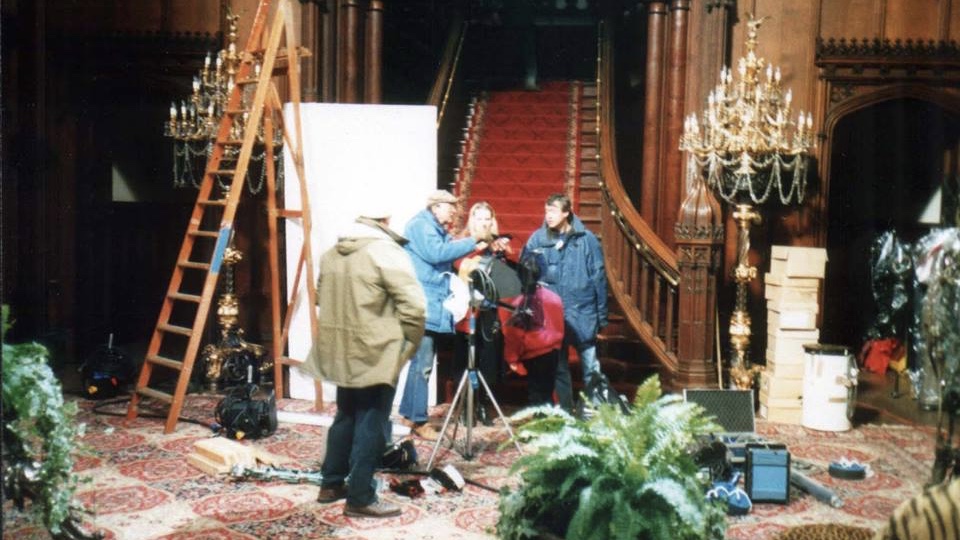
Jon Woods remembers how Granada looked after its staff
Tell me about the care you received when you were sick. They looked after you body and soul, I would say. They were always, always caring about how you were, whether you were well – not many companies had a health centre within the building. Two nurses, a doctor on call, you could go there…
Read More
Jon Woods reflects on the male domination in roles
On the practicalities of working at Granada, and how we all knew each other, and it was a great thing, and people mixed very easily, but you couldn’t call it a diverse set-up, and in our day it was a very male set-up. Would you agree with that? I would totally agree with that. I…
Read More
Jon Woods on the legacy of Granada
I would like to think that one of the major legacies that Granada has left us is a whole load of people who have worked in television and who are now disseminating their knowledge out to other people, training other people to do it, so I think that family approach and a whole raft of…
Read More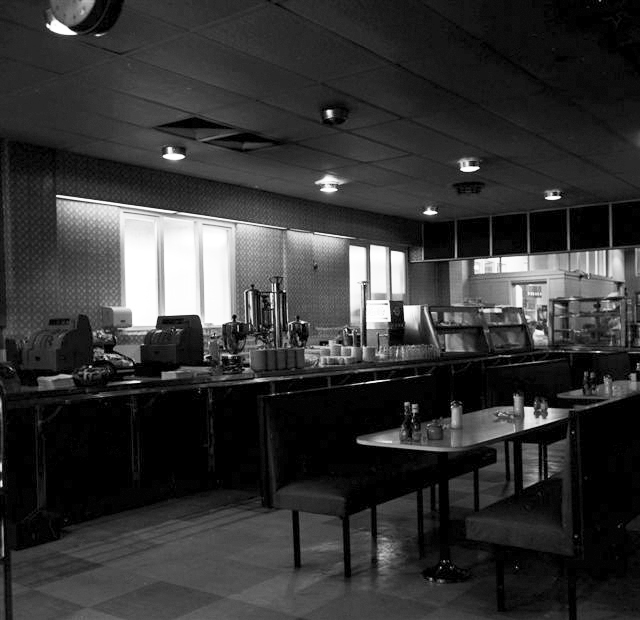
Jon Woods on the importance of the Granada canteen
Inside the building, your duty of care almost, the canteen was the fantastic heart of the building, in its very first incarnation the canteen sat as a building that jutted out into the car park at the back of Granada and it was an L-shaped building with sort of banquette type booths that you could…
Read More
David Liddiment on the strengths and weaknesses of GTV
Okay. Granada Television – strengths and weaknesses, looking back, as a company. Well, I think it’s great strength was its singularity as a company, its willingness to go out on a limb for programmes – legally and creatively – famously over British Steel and so on… and also singular because of the way it…
Read More
Michael Ryan on Granada’s relationship with the North West
What was interesting about the local programming was that apart from university I hadn’t really lived outside London and being in Manchester was actually quite an education for me. The sixties were the last decade of Manchester as the industrial city. The buses to Old Trafford used to be choked at 6:30 in the morning…
Read More
Maggie Coombes recalls how she came to be employed by Granada TV
I’d done a postgraduate course at Bristol University in film and television, and I just wrote round to all the television companies I could think of, this is who I am, I’ve done this postgraduate course, I’ve been at art college for four years before that, I’ve done a three-dimensional design course, I’d like to…
Read More